






When the school day ends, most parents face the same question: What’s the best way for my child to spend their time after school?
Between sports, music lessons, tutoring, and the ever-present pull of screens, the options can feel overwhelming. Every activity promises benefits—teamwork, discipline, creativity—but few manage to combine so many essential life skills into one experience quite like chess.
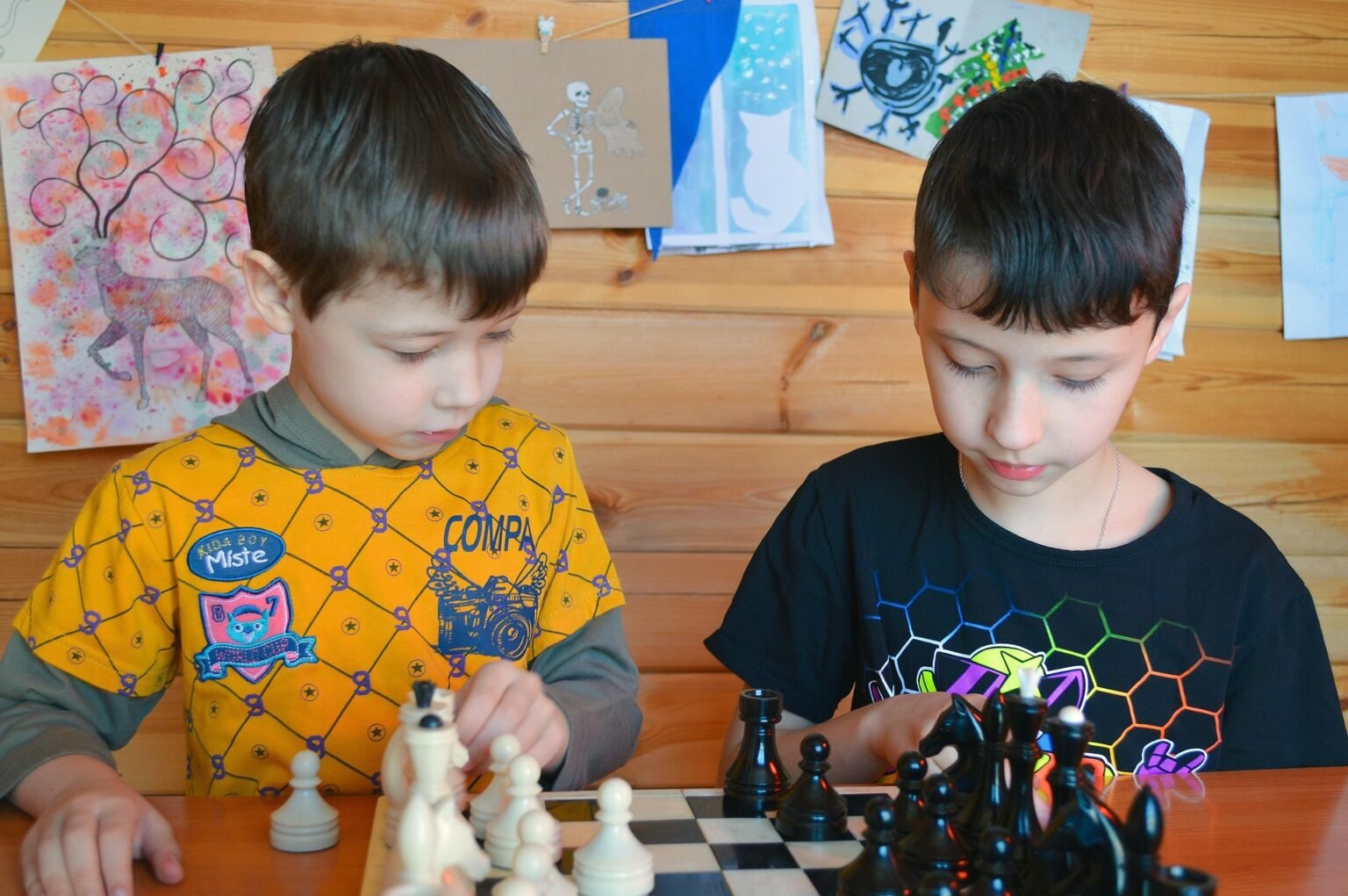
At first glance, chess might seem like a quiet, even old-fashioned game. A board, some pieces, and two players sitting silently across from each other doesn’t exactly scream “exciting after-school activity.” But spend just a little time watching kids play, and you’ll quickly realize something deeper is happening.
Chess isn’t just a game. It’s a mental workout, a confidence builder, and a surprisingly social activity—all rolled into one.
A Game That Teaches Kids How to Think
One of the biggest benefits of chess is how it teaches children to think ahead. Unlike many games that rely on quick reactions or chance, chess rewards planning, patience, and strategy.
Every move has consequences.
Kids learn to ask themselves questions like:
- What will happen if I move this piece?
- What might my opponent do next?
- Is there a better option I haven’t considered yet?
This kind of thinking doesn’t stay on the chessboard. It starts to show up in schoolwork, problem-solving, and even everyday decision-making.
Instead of rushing through things, kids begin to slow down, evaluate their options, and make more thoughtful choices. That’s a skill that pays off far beyond the game itself.
Building Focus in a Distracted World
Let’s be honest, keeping kids focused today is harder than ever.
With phones, tablets, and constant entertainment just a tap away, attention spans are getting shorter. Many parents notice it during homework time: it’s tough for kids to stay locked in on one task for long.
Chess naturally builds concentration.
A single game can last 20 minutes, 30 minutes, or longer. To play well, kids have to stay engaged the entire time. They learn to block out distractions, stay present, and follow a sequence of ideas from start to finish.
What’s interesting is that kids don’t feel like they’re being “forced” to focus. They want to stay engaged because they’re invested in the outcome of the game.
Over time, this kind of sustained attention becomes easier—and it often carries over into the classroom.
Confidence That Comes from Progress
Not every child is drawn to traditional after-school activities like sports. Some kids thrive in those environments, but others may feel out of place or discouraged if they don’t see quick success.
Chess offers a different path.
Progress in chess is clear and measurable. Kids can see themselves improving:
- They recognize patterns faster
- They make fewer mistakes
- They start winning games they used to lose
Even small improvements feel meaningful.
And because chess is one-on-one, success doesn’t depend on being the fastest, strongest, or most athletic. It’s about learning, practicing, and growing.
That’s incredibly empowering.
Kids begin to understand that effort leads to improvement—a mindset that builds real confidence, not just temporary wins.
Learning How to Handle Wins—and Losses
Every parent wants their child to succeed. But just as important as winning is learning how to handle losing.
Chess teaches both.
In a single afternoon, a child might win one game and lose the next. There’s no referee to blame, no teammate to rely on—just the decisions they made on the board.
That might sound tough, but it’s actually one of chess’s greatest strengths.
Kids learn:
- How to stay calm under pressure
- How to accept mistakes without frustration
- How to learn from losses instead of avoiding them
Over time, they start to see losing not as failure, but as part of the learning process.
That shift in perspective is huge—not just in games, but in school, friendships, and future challenges.
A Surprisingly Social Activity
There’s a common misconception that chess is a solitary activity. In reality, it’s incredibly social, especially for kids.
Chess creates a shared experience.
Kids talk about their games, replay moves, and even teach each other strategies. In group settings like clubs or after-school programs, friendships often form naturally around the game.
What makes chess unique is that it levels the playing field.
It doesn’t matter if a child is outgoing or shy—when they sit down at the board, they’re both players. The structure of the game gives kids a comfortable way to interact without the pressure of constant conversation.
For some children, especially those who struggle in more chaotic social environments, chess can be a bridge to connection.
Encouraging Patience and Discipline
In a world built around instant gratification, patience is becoming a rare skill.
Chess pushes back against that.
You can’t rush a good move. You can’t skip ahead. You have to think, wait, and sometimes hold back until the right moment.
Kids begin to understand that:
- Not every opportunity should be taken immediately
- Sometimes the best move is the one you wait to make
- Careful planning often beats quick decisions
These lessons show up in schoolwork, hobbies, and even relationships.
Discipline grows naturally, not because it’s enforced, but because it’s necessary to succeed.
Screen-Free, Yet Still Engaging
One of the biggest challenges for parents today is finding activities that can compete with screens.
Chess does something interesting—it holds attention without relying on flashy visuals, sounds, or constant stimulation.
It’s simple, but not boring.
Each game is different. Each opponent brings a new challenge. There’s always something to learn, improve, or try again.
For kids who are used to fast-paced digital entertainment, chess can feel like a refreshing change. It engages the brain in a deeper way, without the overstimulation that often comes with screen time.
And for parents, that’s a big win.
A Skill Kids Can Carry for Life
Some after-school activities come and go. A season ends, interests change, schedules shift.
Chess is different.
Once a child learns how to play, it stays with them.
They can play:
- At school
- At home with family
- Online or in tournaments
- Even years later as adults
It’s a skill that doesn’t age out.
In fact, many people return to chess later in life and find it just as engaging—if not more—than when they first learned.
Giving a child that kind of lifelong activity is something special.
Why Structured Programs Make a Difference
While kids can certainly learn chess at home, structured programs often take things to another level.
In a well-designed after-school chess program, kids benefit from:
- Guided instruction that builds skills step by step
- Opportunities to play against different opponents
- A supportive environment that encourages growth
- Coaches who can explain strategies in a kid-friendly way
This combination helps kids progress faster—and enjoy the process more.
More Than Just a Game
At the end of the day, chess isn’t just about kings, queens, and checkmates.
It’s about learning how to think, how to focus, how to handle challenges, and how to grow from experience.
It teaches kids that success doesn’t come from luck, it comes from effort, patience, and practice.
And maybe most importantly, it gives them a space where they can build confidence in their own abilities.
In a world full of distractions and fast-paced activities, chess offers something different.
Something quieter.
Something deeper.
Something that sticks.