







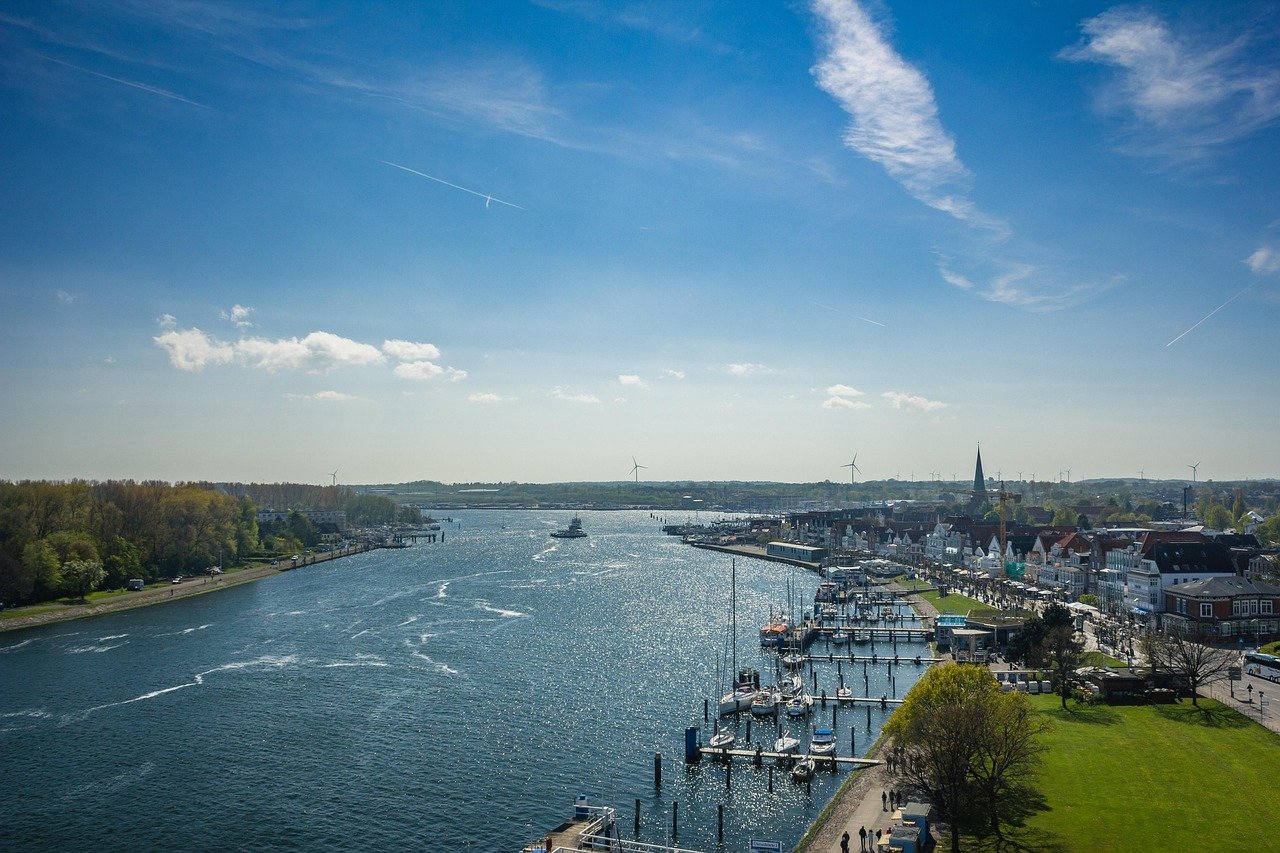
Throughout history, the rhythm of flowing water has shaped the very essence of human civilization. The riverine landscape, a term describing environments influenced by rivers and their networks, represents far more than a geographic feature; it’s a dynamic, life-sustaining system that supports biodiversity, agriculture, culture, and human progress. From the Nile and Indus Valleys to modern river-based cities like London and Shanghai, rivers have always been central to life and growth.
This comprehensive exploration delves into how these systems function, their ecological and social importance, and why conserving them is essential for our shared future.
Understanding The Riverine Environment
What Defines a Riverine System?
A riverine environment encompasses all landforms and ecosystems directly or indirectly affected by the presence of a river. It includes riverbanks, floodplains, wetlands, and estuaries where freshwater meets saltwater. These environments are shaped by constant interaction between water, soil, vegetation, and climate.
Key components of such systems include:
- River Channels: The main pathway for flowing water.
- Floodplains: Low-lying areas that flood periodically, enriching soil fertility.
- Riparian Zones: Transitional zones between land and water, supporting rich vegetation.
- Wetlands and Marshes: Natural filters and habitats for countless species.
Together, these create intricate networks that regulate the planet’s hydrological and ecological balance.
The Ecological Importance of The Riverine System
Biodiversity Hotspots
Riverine habitats are among the most biologically productive regions on Earth. They sustain thousands of plant and animal species from aquatic insects and amphibians to migratory birds and large mammals. Many species depend entirely on these habitats for breeding, feeding, and shelter.
Nutrient Cycling and Soil Fertility
Periodic flooding deposits nutrient-rich silt, which rejuvenates soil fertility and supports agriculture. This process has made river valleys the cradle of ancient civilizations and continues to sustain millions of farmers today.
Water Purification and Climate Regulation
Natural river systems act as filters wetlands absorb pollutants, while riparian plants trap sediments. Additionally, riverine forests capture carbon dioxide, mitigating the impact of climate change.
Habitat Connectivity
Rivers serve as biological corridors that link ecosystems. They enable gene flow between isolated populations and provide migration routes for fish, birds, and mammals, ensuring ecological resilience.
The Riverine and Human Civilization
Birthplace of Civilization
Nearly every great civilization began near a river. The Tigris and Euphrates nourished Mesopotamia; the Nile sustained Egypt; the Indus supported the Harappan culture; and the Yellow River shaped ancient China. Rivers offered fresh water, fertile land, and transportation routes that facilitated trade and cultural exchange.
Agriculture and Irrigation
River-fed irrigation systems revolutionized farming. Ancient farmers designed canals, dams, and dikes to control water flow, enabling crop diversification and population growth. Even today, irrigation remains a lifeline for agricultural economies across Asia, Africa, and South America.
Urbanization and Economic Growth
Modern cities continue to depend on riverine systems for commerce, transportation, and industry. Ports, dams, and hydroelectric plants drive economic development, while rivers enhance tourism, recreation, and local livelihoods.
Challenges Facing The Riverine Ecosystem
Pollution and Industrial Waste
Industrialization has brought prosperity but also pollution. Many rivers now carry heavy metals, plastics, and chemical waste that threaten aquatic life and contaminate drinking water sources.
Deforestation and Habitat Destruction
Urban sprawl, logging, and agriculture encroach on riverbanks and wetlands. Without riparian vegetation, erosion accelerates, sediment builds up, and river health declines.
Overexploitation and Damming
Large-scale dams alter natural flow regimes, disrupt fish migration, and flood ecosystems. Overuse for irrigation and industry depletes water levels, pushing rivers toward ecological collapse.
Climate Change Impact
Rising temperatures and shifting rainfall patterns intensify floods, droughts, and storms. Melting glaciers—primary sources of many major rivers further threaten water availability for millions.
Conservation Strategies for The Riverine Ecosystem
Restoration of Natural Flow
Reconnecting rivers to their floodplains helps restore balance. Controlled flooding rejuvenates wetlands, recharges groundwater, and sustains biodiversity.
Pollution Control Measures
Effective waste management, industrial regulation, and sewage treatment can drastically reduce river contamination. Community-driven clean-up projects also play a vital role.
Riparian Reforestation
Planting native vegetation along riverbanks stabilizes soil, improves water quality, and provides habitat for wildlife. Green corridors also enhance landscape connectivity.
Integrated Water Resource Management (IWRM)
This holistic approach considers ecological, economic, and social dimensions. It promotes equitable water distribution, sustainable agriculture, and multi-stakeholder collaboration.
Public Awareness and Education
Empowering local communities with knowledge about river health encourages stewardship. Educational campaigns and citizen science programs foster long-term commitment to conservation.
The Riverine and Modern Innovation
Smart Water Management
Technological advances such as satellite monitoring, AI-driven modeling, and IoT sensors allow for real-time tracking of water flow, quality, and pollution levels. This data helps governments and organizations make informed decisions.
Sustainable Hydropower Solutions
New hydropower designs minimize ecological disruption by integrating fish ladders, sediment bypass systems, and adjustable turbines that preserve river continuity.
Eco-Tourism and Community Development
Sustainable tourism along rivers promotes conservation while supporting local economies. Activities like kayaking, birdwatching, and cultural tours highlight the natural and cultural wealth of these regions.
Cultural and Spiritual Significance of The Riverine
Across continents, rivers hold deep spiritual meaning. They symbolize purity, rebirth, and continuity.
- The Ganges in India is revered as a sacred river.
- The Amazon represents life and resilience for indigenous tribes.
- The Mississippi embodies cultural identity in the United States.
Art, literature, and music throughout history have drawn inspiration from flowing waters reflecting humanity’s enduring connection with rivers.
Case Study: The Revitalization of the Thames River
Once dubbed biologically dead in the 1950s, London’s Thames River has transformed into a symbol of successful restoration. Decades of environmental policy, investment, and citizen participation turned a polluted waterway into a thriving ecosystem. Over 125 species of fish now inhabit its waters, and otters have returned a remarkable testament to what concerted conservation efforts can achieve.
This story exemplifies how urban river restoration can align economic development with ecological well-being.
Global Efforts to Protect The Riverine
- UNESCO’s World Water Assessment Programme promotes sustainable river management.
- The Ramsar Convention safeguards wetlands of international importance.
- The World Wildlife Fund (WWF) supports initiatives to restore river connectivity and protect endangered aquatic species.
International collaboration remains vital to maintaining healthy waterways for future generations.
The Future of The Riverine Ecosystem
The future of our rivers depends on collective responsibility. Governments must enforce regulations; industries must adopt cleaner technologies; and citizens must champion conservation. As global populations rise, balancing water demand with ecological preservation will define sustainable progress.
By viewing rivers not as resources to exploit but as living systems to respect, humanity can secure both prosperity and planetary health.
Conclusion
The story of the riverine world is a story of life itself of motion, connection, and renewal. Rivers nourish civilizations, sustain ecosystems, and inspire art and spirituality. Yet their survival hinges on how wisely we treat them. Through innovation, education, and cooperation, we can ensure these flowing lifelines continue to thrive, reminding us that water is not just a resource it’s a legacy.
Call to Action:
Join local conservation groups, support water restoration initiatives, or simply spread awareness. Every action contributes to preserving the lifeblood of our planet, the world’s magnificent riverine systems.
FAQs About The Riverine
1. What is meant by the riverine environment?
It refers to landscapes and ecosystems shaped or influenced by rivers, including floodplains, wetlands, and riparian zones that support diverse life forms.
2. Why are riverine systems important for humans?
They provide water for drinking, irrigation, and industry, support agriculture, and facilitate transport and cultural development.
3. How does pollution affect the riverine ecosystem?
Contaminants from industrial, agricultural, and urban sources degrade water quality, harm wildlife, and disrupt natural ecological balance.
4. What are some ways to restore the riverine environment?
Restoring natural flow, replanting riparian vegetation, and improving waste management are key strategies to rehabilitate damaged river systems.
5. How does climate change impact the riverine world?
It alters rainfall patterns, accelerates glacial melting, and intensifies floods and droughts threatening water security globally.
6. Which international organizations protect riverine systems?
Groups like UNESCO, WWF, and the Ramsar Convention focus on conservation, research, and policy to safeguard rivers and wetlands worldwide.
7. What can individuals do to help preserve riverine ecosystems?
Reduce pollution, conserve water, participate in clean-ups, and advocate for stronger environmental protection policies.