







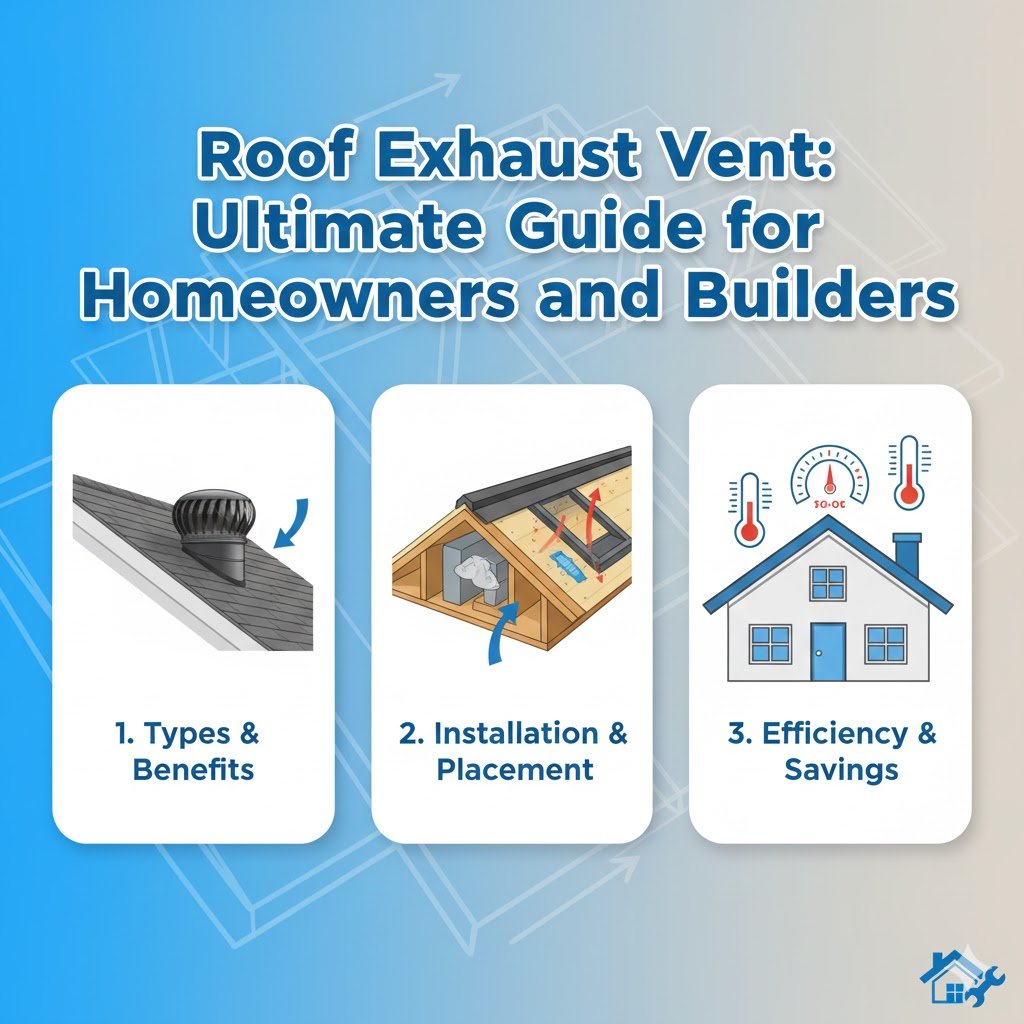
Proper ventilation is crucial for any building. It helps regulate temperature, remove moisture, and maintain indoor air quality. One of the most efficient ways to achieve this is through a well-designed roof exhaust vent system. This guide explores everything homeowners, builders, and contractors need to know about roof ventilation, including types, installation, benefits, and maintenance.
What is a Roof Exhaust Vent?
A roof exhaust vent is a component installed on a roof to allow stale air, heat, and moisture to escape from an attic or enclosed space. Unlike passive vents that rely solely on natural airflow, modern exhaust vents can be powered or strategically designed to optimize ventilation.
Key benefits include:
- Reducing attic temperatures in hot climates
- Preventing moisture buildup and mold formation
- Extending roof lifespan by minimizing heat damage
- Improving energy efficiency by reducing cooling costs
Types of Roof Exhaust Vents
There are several types of ventilation solutions, each suited for different roof designs and climates.
1. Ridge Vents
Ridge vents run along the peak of a sloped roof. They provide continuous ventilation by allowing hot air to escape naturally.
Advantages:
- Low-profile design blends with the roofline
- Reduces heat buildup evenly across the attic
- Minimal maintenance
Best For: Homes with long, continuous roof ridges
2. Box Vents
Also known as static vents, these are installed near the roof’s peak. They allow hot air to rise and exit through multiple small vents.
Advantages:
- Simple installation
- Cost-effective for smaller roofs
- Works well with both new and existing homes
3. Turbine Vents
Turbine vents use wind to spin a turbine, creating suction that pulls air out of the attic.
Advantages:
- Effective in areas with consistent wind
- Reduces attic temperatures faster
- Environmentally friendly, no electricity required
Considerations:
- Requires regular inspection to ensure the turbine spins freely
4. Powered Vents
Powered vents, or attic fans, use electricity to force air out, regardless of weather conditions.
Advantages:
- Strong ventilation for large or complex roofs
- Can be thermostatically controlled
- Helps reduce cooling costs significantly
Considerations:
- Requires electricity
- Installation is more complex than passive vents
How to Choose the Right Roof Exhaust Vent
Selecting the correct ventilation system depends on several factors:
- Roof Size and Slope – Steeper roofs benefit more from ridge vents, while flat roofs may need powered vents.
- Climate – Hot and humid regions require more efficient airflow; turbine or powered vents are ideal.
- Budget – Box vents are budget-friendly, while powered solutions cost more upfront but save energy.
- Roof Material – Ensure the vent type is compatible with shingles, metal, or tile roofs.
Installation Guidelines
Installing a roof exhaust vent requires careful planning to maximize efficiency.
Step-by-Step Process:
- Assess Ventilation Needs: Calculate attic size and existing airflow.
- Select Vent Location: Typically near the roof peak for optimal heat removal.
- Cut Roofing Material: Carefully cut the opening while protecting the roof’s integrity.
- Install Flashing: Prevents leaks and ensures a watertight seal.
- Attach Vent: Secure vent with screws or nails according to manufacturer instructions.
- Inspect & Seal: Ensure no gaps or loose fittings.
Tip: Always follow local building codes and manufacturer instructions.
Maintenance Tips for Longevity
Regular maintenance ensures your ventilation system works efficiently and prolongs roof life:
- Inspect vents at least twice a year for damage or debris
- Clean out leaves, nests, and dirt regularly
- Check for rust or corrosion in metal components
- Repair or replace broken vents immediately
- For powered vents, test electrical components periodically
Common Problems and Solutions
Even the best ventilation system can face issues.
Problem: Moisture accumulation despite vents
- Solution: Check for blocked soffit vents or insufficient vent area
Problem: Noisy turbine or powered vent
- Solution: Lubricate moving parts and ensure proper alignment
Problem: Roof leaks around vent
- Solution: Reinstall flashing and seal gaps with roofing caulk
Case Study: Homeowner Ventilation Upgrade
A homeowner in Texas upgraded from static box vents to ridge vents with supplemental turbine vents.
Results:
- Attic temperature decreased by 15°F
- Energy bills dropped by 10%
- Roof shingles showed less heat damage after one summer
This demonstrates the real-world impact of proper roof ventilation on comfort, energy efficiency, and roof longevity.
Energy Efficiency Benefits
Proper attic ventilation reduces the load on cooling systems. Benefits include:
- Lower energy bills during hot months
- Reduced need for air conditioning
- Improved indoor comfort and temperature balance
Pro Tip: Combine intake vents (soffit or eave vents) with exhaust vents for maximum airflow.
Roof Ventilation and Mold Prevention
Trapped moisture can lead to mold growth, wood rot, and structural damage. A well-designed ventilation system:
- Removes excess humidity
- Promotes drying of insulation and rafters
- Minimizes risk of mold-related health issues
Environmental Considerations
Modern roof vents can be environmentally friendly:
- Turbine and ridge vents require no electricity
- Powered vents can be paired with solar panels
- Proper airflow reduces reliance on air conditioning, lowering carbon footprint
Frequently Asked Questions (FAQs)
1. What is the purpose of a roof exhaust vent?
It helps remove heat and moisture from the attic, improving energy efficiency and prolonging roof life.
2. Can I install a roof exhaust vent myself?
Yes, small box or ridge vents can be DIY projects, but powered vents often require professional installation.
3. How often should I maintain my roof vents?
Inspect at least twice a year and clean debris or nests to ensure optimal performance.
4. Do roof vents reduce energy bills?
Yes, proper ventilation lowers attic temperatures, reducing the load on cooling systems.
5. Which vent is best for hot climates?
Ridge vents combined with turbine or powered vents offer the most efficient heat removal.
6. Can vents prevent mold growth?
Yes, by allowing moisture to escape, vents reduce the risk of mold and structural damage.
7. Are roof exhaust vents noisy?
Static vents are quiet; turbine vents may spin noisily if not lubricated. Powered vents are generally quiet but vary by model.
Conclusion
A roof exhaust vent is an essential element in building design that enhances comfort, protects structural integrity, and improves energy efficiency. Choosing the right type, installing it properly, and performing regular maintenance ensures long-lasting performance. Whether you’re a homeowner upgrading an old roof or a builder planning a new project, understanding ventilation options is key.