







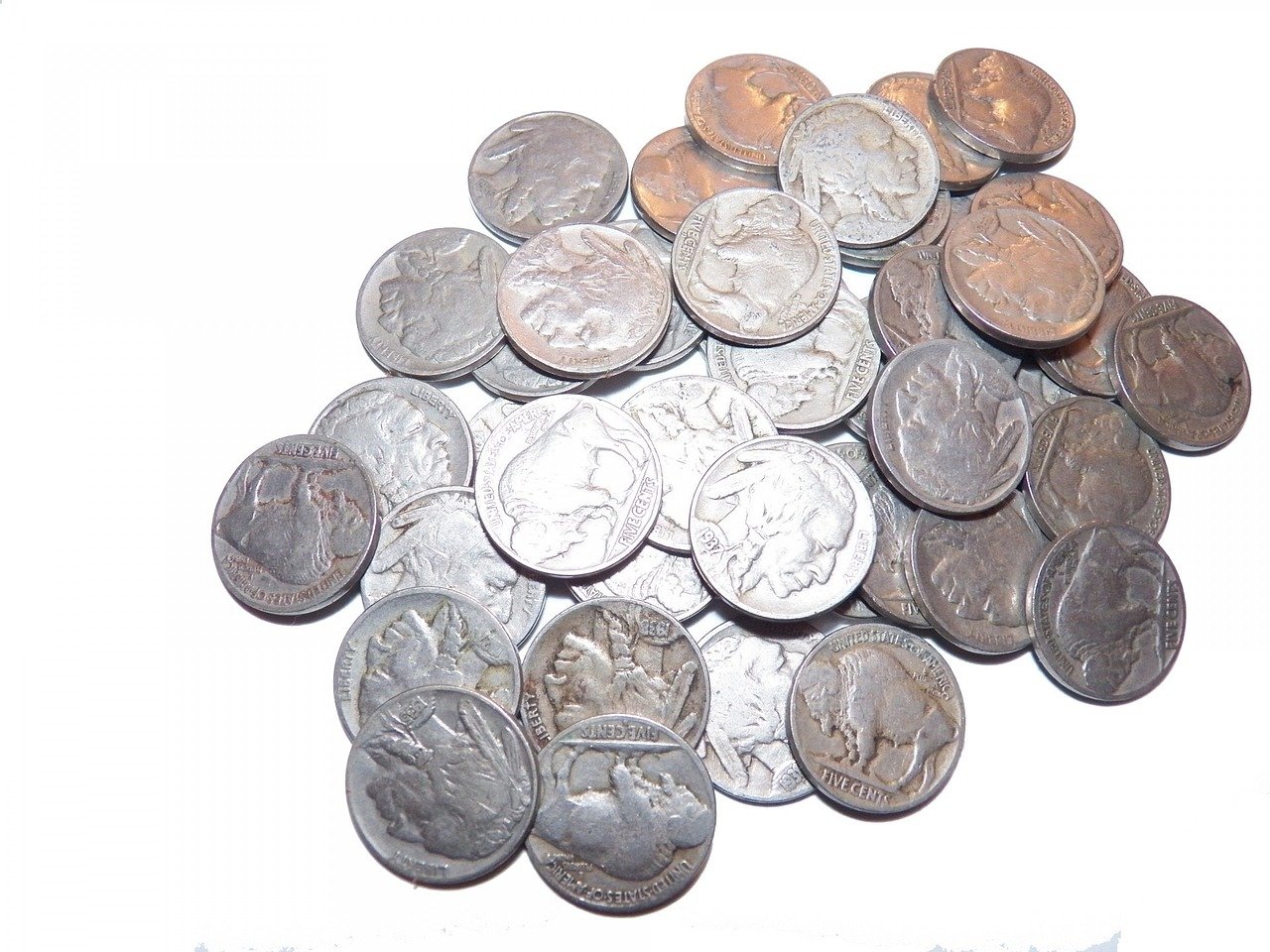
Numismatics is filled with fascinating coins that combine artistry, history, and mystery. Among them, few attract as much attention as the early 20th-century nickels featuring a Native American and an American bison. While millions were minted, countless examples today lack a visible year, making them intriguing for collectors.
This guide explores why these pieces exist, how to identify them, their market value, and tips for enthusiasts. Whether you’re a beginner or an advanced collector, you’ll gain insight into one of America’s most talked-about coins.
History of the buffalo nickel no date
The nickel design was introduced in 1913 and created by James Earle Fraser, an artist influenced by the Old West. The obverse showed a Native American profile, while the reverse displayed a buffalo standing proudly.
While beautiful, the design had flaws. The year was placed on a raised area that wore down quickly. As these coins circulated heavily, their dates disappeared, creating the widely recognized dateless examples we see today.
Why a buffalo nickel no date exists
These coins lost their dates due to a mix of design and usage factors:
- Raised date location wore down from circulation.
- Heavy daily use in commerce during the early 1900s.
- Alloy of copper and nickel retained durability but not fine detail.
- Nearly a century of wear erased critical markings.
This combination explains why so many dateless nickels are still found in collections, estate sales, and dealer lots.
How to identify a buffalo nickel no date
Collectors rely on several clues to approximate the origin of these coins:
1. Reverse design types
- Type I (1913 only): Buffalo on a raised mound.
- Type II (1913–1938): Buffalo standing on a flat line.
2. Mint marks
- A “D” or “S” under the denomination marks Denver or San Francisco issues.
- Philadelphia coins have no mint mark.
3. Small design features
Horn, tail, and lettering placement help narrow the date range.
4. Date restoration
Chemicals like nic-a-date reveal worn years, though this reduces coin value.
Value of a buffalo nickel no date
Without a year, these coins are hard to price precisely. General value ranges include:
- Worn common examples: $0.50–$1.00.
- Partial details visible: $2–$5.
- Restored date coins: $1–$3.
- Errors or rare mint marks: $10–$20+.
The value lies as much in history and aesthetic as in dollar terms.
Collecting a buffalo nickel no date
For collectors, these nickels offer affordable entry into U.S. coinage. Tips include:
- Buy bulk lots for variety.
- Favor coins with strong reverse detail.
- Avoid cleaning coins.
- Watch for rare errors or doubled dies.
- Use creative display methods.
Case study: Discovering a buffalo nickel no date
In one example, a hobbyist at an estate sale discovered a mound reverse nickel with no visible year. After expert review, it was identified as a 1913 San Francisco issue, more valuable than common dateless examples. This demonstrates the hidden potential of even heavily worn nickels.
Market interest in buffalo nickel no date
These coins remain popular for:
- Teaching coin design differences.
- Affordable collecting opportunities.
- Artistic uses in jewelry and crafts.
- Historical storytelling in U.S. coinage.
While not always high-value, their charm keeps them in demand.
Restoring a buffalo nickel no date
Restoration is debated among collectors.
Pros:
- Reveals minting year.
- Aids historical research.
Cons:
- Lowers value.
- Damages coin surfaces.
- Considered altered by purists.
Collectors must decide based on personal goals.
Authentication of a buffalo nickel no date
While counterfeits are uncommon, precautions matter:
- Avoid artificially worn coins marketed as rare.
- Test for correct non-magnetic composition.
- Buy from trusted dealers, especially with mint-marked examples.
Preserving a buffalo nickel no date
Proper storage helps maintain appeal:
- Use coin holders or albums.
- Avoid cleaning or polishing.
- Store in dry conditions.
- Handle only by edges.
This ensures the coin remains suitable for both display and study.
FAQs about buffalo nickel no date
1. Why do some nickels have no year?
The raised date wore away through circulation.
2. How can I identify these coins without a year?
Look at reverse design types, mint marks, and small features.
3. Are dateless nickels worth money?
Most are low-value, but some rare types bring higher prices.
4. Can chemicals restore the missing date?
Yes, but it reduces the coin’s collector value.
5. Should beginners collect these coins?
Absolutely they are affordable and educational.
6. How should I store them?
Use protective holders and avoid direct handling.
7. Do rare mint marks matter even without a year?
Yes, mint marks can increase desirability.
Conclusion
Dateless buffalo nickels combine history, artistry, and accessibility. While their monetary worth may be modest, they represent a crucial chapter in U.S. coinage and remain beloved by collectors.
For beginners, they are a fun and inexpensive entry point. For seasoned numismatists, they offer hidden treasures when rare mint marks or varieties are uncovered.
If you’re ready to explore the hobby, start with these iconic nickels you might just discover a piece of history in your pocket change.