







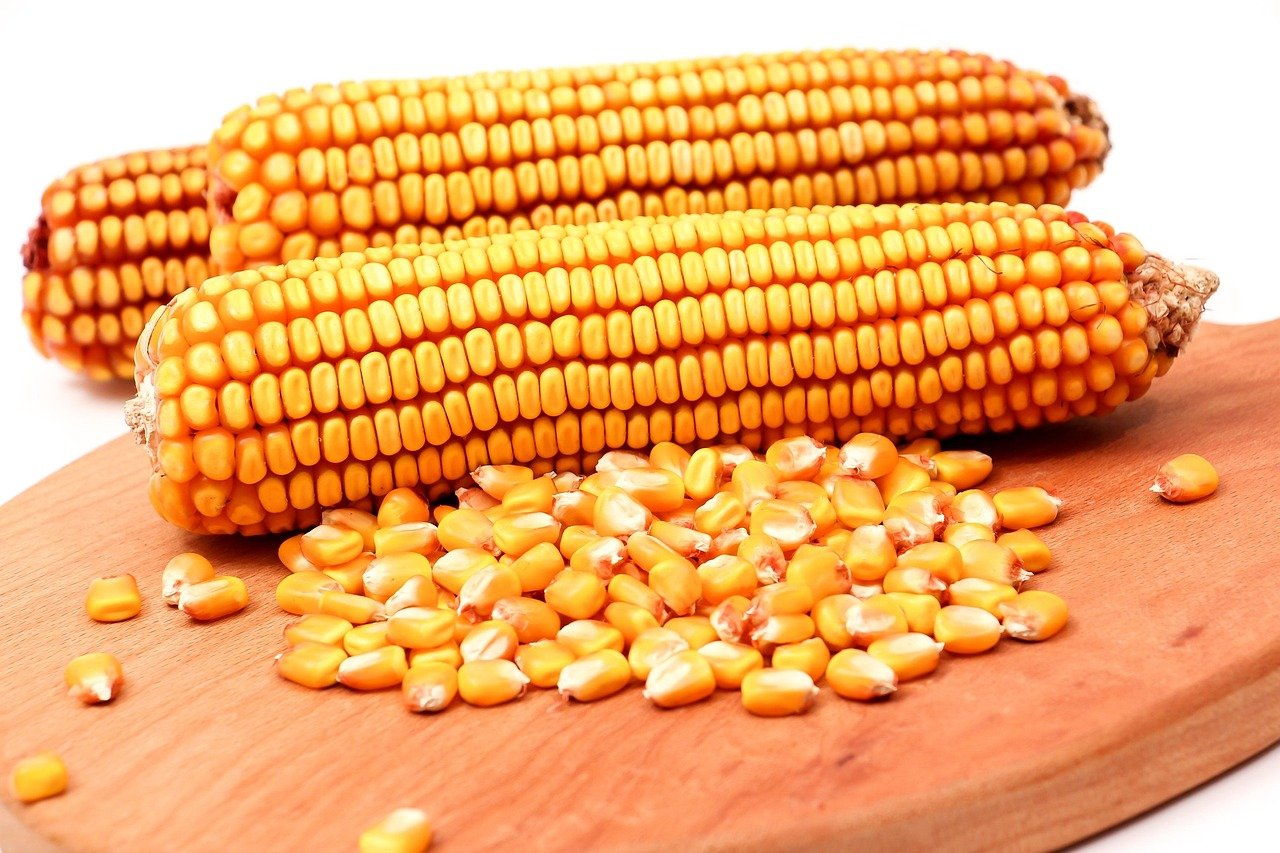
Across the world, one ingredient unites countless cuisines, traditions, and nutritional systems, a versatile grain that has shaped history and nourished billions. This ingredient, known for its golden hue and natural sweetness, has long been the foundation of both humble and gourmet dishes alike.
This flour, derived from corn kernels, has earned its place in global kitchens as a nutrient-dense, gluten-free alternative to wheat. Beyond being a dietary staple, it represents cultural heritage, agricultural innovation, and economic significance.
This article explores every aspect of this remarkable flour from its nutritional composition to its culinary applications, historical roots, and modern relevance in health-conscious diets.
1. The Origins and History of Maize Flour
Long before modern food industries embraced it, indigenous communities cultivated and processed maize as a sacred crop. Originating from Central and South America, corn was domesticated nearly 10,000 years ago by ancient civilizations such as the Maya and Aztecs.
Through centuries, it spread across continents first through trade routes, then through colonization, and later as a global agricultural powerhouse. Each region adapted it to local traditions, producing unique variations like masa harina in Latin America, fine meal in Africa, and coarse polenta in Europe.
What makes this flour truly remarkable is not just its adaptability but also its symbolic role. In many cultures, it signifies abundance, fertility, and connection to the earth. Today, it continues to evolve from traditional gruel in African homes to artisanal breads and gluten-free snacks in Western markets.
2. The Nutritional Profile of Maize Flour
Nutritionists often describe corn-based flour as a wholesome ingredient, rich in essential nutrients and energy. When consumed in moderation and processed properly, it provides a balanced mix of carbohydrates, fiber, vitamins, and minerals.
Key Nutrients Found in Corn-Based Flour
- Complex Carbohydrates: The main energy source, ideal for sustained energy release.
- Dietary Fiber: Promotes digestive health and helps maintain stable blood sugar levels.
- Proteins: Contains essential amino acids, though not as complete as those found in wheat.
- Vitamins: Especially rich in vitamin B-complex (B1, B3, and B9) which support metabolism and nervous system function.
- Minerals: Includes magnesium, iron, phosphorus, and zinc vital for cellular function.
- Antioxidants: Lutein and zeaxanthin contribute to eye health and reduce oxidative stress.
Compared to wheat, corn flour is naturally gluten-free, making it suitable for individuals with celiac disease or gluten intolerance. However, it’s important to balance it with protein-rich foods since it lacks gluten and some amino acids essential for body repair.
3. Types of Maize Flour
The diversity of this ingredient comes from its texture, processing method, and intended culinary use. Below are the most common varieties found around the world.
3.1. Fine-Milled Corn Flour
This is a smooth, powdery version often used in baking, thickening sauces, or coating fried foods. It produces a delicate texture and is excellent for pastries or light batters.
3.2. Coarse Maize Meal
A slightly grainier version, ideal for porridge, grits, or polenta. It retains a rustic texture and delivers a hearty flavor profile.
3.3. Masa Harina
A staple in Latin American cuisine, made from dried corn treated with lime (calcium hydroxide). This process, known as nixtamalization, enhances nutritional value and flavor, creating dough for tortillas and tamales.
3.4. Yellow vs. White Varieties
Yellow corn meal is richer in beta-carotene, offering a subtle sweetness and golden color. White versions are milder, preferred for certain African and Caribbean dishes.
4. Health Benefits of Maize Flour
This corn-derived flour has gained immense popularity among nutritionists and health-conscious consumers. Here are some notable benefits:
4.1. Gluten-Free Alternative
Perfect for those avoiding gluten, it allows people with celiac disease or wheat allergies to enjoy a wide range of baked and savory dishes without discomfort.
4.2. Supports Digestive Health
The high fiber content aids digestion, prevents constipation, and supports healthy gut microbiota.
4.3. Provides Long-Lasting Energy
Its complex carbohydrates release energy gradually, preventing sudden blood sugar spikes and maintaining satiety for longer periods.
4.4. Rich in Antioxidants
Corn naturally contains carotenoids, which help fight inflammation and promote eye health.
4.5. Heart-Friendly Nutrients
Low in saturated fats and cholesterol, it contributes to maintaining cardiovascular health when combined with a balanced diet.
4.6. Safe for Most Diets
Since it is naturally plant-based, it suits vegan and vegetarian meal plans as well as traditional omnivorous diets.
5. Culinary Uses of Maize Flour
This flour’s versatility extends far beyond traditional recipes. Its flavor and texture adapt well to both savory and sweet preparations.
5.1. Traditional Dishes
- Africa: Used to prepare staples like ugali, sadza, and pap dense porridges served with vegetables or meat.
- Latin America: The base for tortillas, tamales, and arepas.
- Europe: Transformed into creamy polenta or baked goods.
- Asia: Incorporated into snacks, sweets, and breading mixes.
5.2. Modern Cuisine and Innovation
Chefs and bakers now use corn flour in gluten-free breads, pancakes, muffins, waffles, and biscuits. It also thickens soups and gravies or acts as a crispy coating for fried dishes.
5.3. Home Cooking Tips
- Combine with other flours (like rice or almond) for better texture in gluten-free baking.
- Store in airtight containers to prevent moisture absorption.
- Always cook or bake properly, as raw corn flour may have a chalky taste.
6. The Role of Maize Flour in Global Food Security
Corn-based flour is not just a kitchen ingredient; it’s a cornerstone of food security in many parts of the world. According to global agricultural organizations, maize ranks among the top three cereal crops, alongside wheat and rice.
6.1. A Reliable Source of Calories
In developing nations, it provides a significant portion of daily caloric intake, sustaining millions who rely on subsistence farming.
6.2. Economic Significance
Countries like the U.S., Brazil, China, and South Africa invest heavily in corn production, using it not only for food but also as raw material for animal feed and industrial products.
6.3. Sustainable Agriculture
Modern practices are improving maize yield while minimizing environmental impact through crop rotation, organic fertilizers, and pest-resistant hybrids.
6.4. A Path to Rural Development
The cultivation, milling, and trade of corn flour create employment opportunities, empowering farmers and communities worldwide.
7. Processing and Storage of Maize Flour
The transformation of corn kernels into fine flour involves several key stages designed to preserve nutritional value while ensuring quality and safety.
7.1. Harvesting and Cleaning
Once mature, corn is harvested, cleaned, and dried to remove impurities and moisture.
7.2. Milling Process
- Dry Milling: Commonly used for coarse or fine meal.
- Wet Milling: Produces starch, syrup, or industrial-grade byproducts.
7.3. Packaging and Shelf Life
Proper packaging prevents contamination and preserves freshness. Ideally, it should be stored in a cool, dry place and consumed within six months.
7.4. Quality Assurance
Regular inspection, proper labeling, and adherence to food safety standards ensure consumer protection and trust in global markets.
8. Cultural Importance and Symbolism of Maize Flour
In many regions, corn holds deep spiritual and cultural meaning. Beyond nourishment, it represents unity, resilience, and identity.
- Africa: Often shared during communal meals and ceremonies.
- Latin America: Considered a sacred gift from the gods, symbolizing life and creation.
- North America: Native tribes honor corn in rituals celebrating harvest and gratitude.
This symbolic connection between nature, sustenance, and spirituality continues to influence how societies perceive and consume this staple today.
9. Industrial and Commercial Uses of Maize Flour
Its application extends into industries beyond food production.
9.1. Biofuel Production
Corn is a major source of ethanol — a renewable fuel alternative that supports energy sustainability.
9.2. Animal Feed
Processed corn products serve as high-energy feed for livestock, ensuring better yields and quality meat or dairy production.
9.3. Packaging and Bioplastics
Innovative companies now use corn starch to produce biodegradable materials, contributing to eco-friendly solutions.
10. Sustainability Challenges and Future Prospects of Maize Flour
While its global impact is undeniable, challenges remain from climate change to agricultural dependency on monoculture systems.
10.1. Climate-Resilient Farming
Efforts are underway to develop drought-resistant corn varieties and improve irrigation methods.
10.2. Reducing Waste
By improving post-harvest handling and promoting value-added products, producers can minimize food loss.
10.3. Global Demand Trends
As plant-based diets rise, demand for gluten-free and corn-based ingredients is expected to surge further.
10.4. Future Innovations
Advances in biotechnology and sustainable agriculture promise improved yield, nutrition, and processing efficiency.
11. How to Choose Quality Maize Flour
When buying, a few simple checks can ensure freshness and quality:
- Check Color and Aroma: It should be light yellow or white, depending on type, with a pleasant earthy smell.
- Avoid Lumps or Moisture: Indicates poor storage or contamination.
- Verify Packaging Date: Always choose recent batches.
- Look for Certifications: Labels like “organic” or “non-GMO” can indicate better quality and sustainability standards.
12. Recipes and Ideas with Maize Flour
Savory Options
- Cornbread muffins with herbs
- Polenta topped with grilled vegetables
- Thickened soups or chowders
Sweet Treats
- Pancakes made with corn and honey
- Traditional puddings with coconut milk
- Waffles blended with almond flour
Each recipe celebrates the texture and mild sweetness of this golden grain, proving that healthy eating can also be flavorful and creative.
Frequently Asked Questions (FAQs)
1. What is maize flour made from?
It’s produced by grinding dried corn kernels into a fine or coarse powder used in cooking, baking, and traditional dishes.
2. Is maize flour gluten-free?
Yes, it’s naturally free from gluten, making it suitable for people with gluten sensitivity or celiac disease.
3. How is maize flour different from corn starch?
While both come from corn, the former contains the entire grain (fiber and protein), while the latter is a pure carbohydrate used mainly as a thickener.
4. Can maize flour be used for baking bread?
Yes, but it works best when mixed with other flours since it lacks gluten, which provides structure to baked goods.
5. Is maize flour healthy for daily consumption?
In moderation, it offers good nutrition, energy, and fiber. Combining it with protein sources enhances dietary balance.
6. How should maize flour be stored?
Keep it in an airtight container in a cool, dry place to prevent moisture absorption and spoilage.
7. What dishes can be made using maize flour?
Popular recipes include tortillas, polenta, porridge, and gluten-free pastries.
Conclusion
From ancient civilizations to modern health movements, this humble flour continues to nourish and inspire. It’s not just a dietary staple but a link between tradition, sustainability, and innovation.
Whether you’re a home cook experimenting with global flavors, a nutritionist seeking wholesome ingredients, or simply someone exploring gluten-free alternatives, corn-based flour offers versatility and vitality in every spoonful.
Embrace its heritage, enjoy its flavor, and contribute to a more sustainable food future one golden grain at a time.