






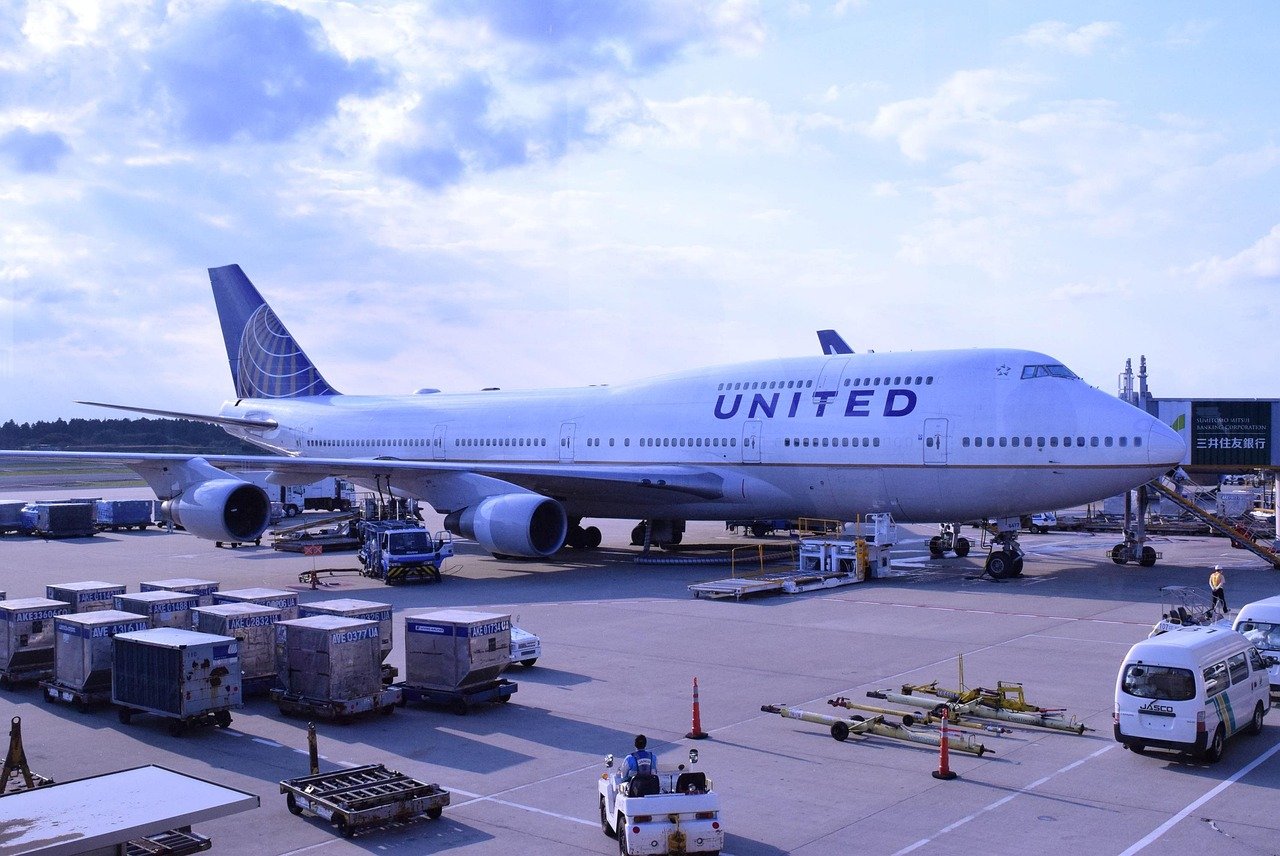
Air travel is one of the safest modes of transportation, but unexpected situations sometimes require immediate responses from airlines and flight crews. Diversions, emergency landings, or rerouting incidents remind passengers and the aviation industry about the importance of robust safety procedures. A recent case that drew public attention involved United Airlines Flight UA770 emergency diversion status, which sparked widespread discussion about airline safety, passenger experience, and crisis management.
This article provides an in-depth look into flight diversions, why they happen, how airlines handle them, and the ripple effects they create across passengers, staff, and the aviation network.
Understanding Flight Diversions
Flight diversions occur when an aircraft cannot complete its planned journey to the intended destination and must instead land at an alternate airport. Diversions are typically caused by:
- Mechanical or technical issues that may pose a safety risk.
- Medical emergencies requiring immediate care for passengers or crew.
- Weather disruptions such as storms, turbulence, or low visibility.
- Air traffic control instructions due to congestion or restricted airspace.
- Security concerns including suspicious activity or threats onboard.
When a diversion is declared, the airline must balance safety with minimizing disruption for passengers and maintaining operational efficiency.
Case Study: United Airlines Flight UA770
The incident involving United Airlines Flight UA770 emergency diversion status highlighted how airlines respond under pressure. While details may vary depending on the specific event, industry experts point out that such diversions usually follow a consistent framework:
- Crew Detection of an Issue
- Pilots or flight attendants identify a potential risk or emergency.
- Pilots or flight attendants identify a potential risk or emergency.
- Communication with Air Traffic Control (ATC)
- The cockpit crew requests priority clearance for diversion.
- The cockpit crew requests priority clearance for diversion.
- Passenger Safety Briefing
- Cabin crew inform passengers calmly while preparing the cabin for landing.
- Cabin crew inform passengers calmly while preparing the cabin for landing.
- Landing at Alternate Airport
- Aircraft lands at the safest available airport based on proximity and facilities.
- Aircraft lands at the safest available airport based on proximity and facilities.
- Resolution and Passenger Rebooking
- Passengers are assisted with rebooking, accommodations, and updates.
- Passengers are assisted with rebooking, accommodations, and updates.
This process ensures maximum safety while reducing confusion for those onboard.
Why Airlines Prioritize Diversions
Airlines operate under strict safety guidelines regulated by organizations like the Federal Aviation Administration (FAA) and the International Civil Aviation Organization (ICAO). When a situation arises, the decision to divert is often immediate and non-negotiable.
Some reasons diversions are prioritized include:
- Preventing escalation of technical issues.
- Ensuring medical support reaches passengers quickly.
- Protecting crew and aircraft integrity.
- Upholding aviation safety standards.
Passenger Impact During a Diversion
While safety is always the top priority, diversions can significantly affect passengers. Common experiences include:
- Delays and missed connections.
- Stress or anxiety due to unexpected changes.
- Inconvenience of rebooking flights or arranging accommodations.
- Compensation or support provided by the airline depending on the situation.
Despite the disruption, most passengers express relief that potential risks are mitigated.
Communication and Transparency
In the case of United Airlines Flight UA770 emergency diversion status, communication played a central role in reducing passenger anxiety. Airlines must:
- Issue real-time updates to passengers via crew announcements and digital channels.
- Provide clear instructions for rebooking and onward travel.
- Offer assistance at the diversion airport, including food, transport, or hotel accommodations if required.
Effective communication fosters trust, showing that the airline prioritizes passenger welfare.
Airline Crisis Management Protocols
Major airlines like United Airlines maintain detailed crisis management systems. These typically include:
- Dedicated response teams coordinating with ground staff and regulatory bodies.
- Passenger care services to assist with rebooking and accommodations.
- Media and press management to ensure accurate information is shared publicly.
- Post-incident reviews to learn from the diversion and improve processes.
These measures help minimize reputational damage while prioritizing passenger experience.
Industry Perspective on Diversions
Experts note that diversions, though disruptive, are signs of an aviation system that prioritizes safety over convenience. For example:
- Medical diversions save lives by ensuring timely care.
- Technical diversions prevent small issues from becoming catastrophic failures.
- Weather diversions protect aircraft from unsafe flying conditions.
Data shows that diversions represent only a fraction of global flights, underscoring aviation’s reliability.
Technology’s Role in Managing Diversions
Modern aviation technology enhances diversion management through:
- Advanced aircraft monitoring systems detecting anomalies early.
- Real-time weather tracking to reroute flights efficiently.
- Automated communication platforms to notify passengers instantly.
- Mobile applications enabling rebooking and compensation with minimal hassle.
Technology reduces downtime and enhances transparency for travelers.
Regulatory Oversight
Government and international aviation authorities play a crucial role in diversion management. Their responsibilities include:
- Setting safety standards for emergency procedures.
- Conducting investigations when incidents occur.
- Auditing airline responses to ensure compliance.
- Recommending improvements for operational resilience.
Such oversight ensures accountability across airlines and enhances trust in aviation safety.
Public and Media Reactions
When events like United Airlines Flight UA770 emergency diversion status make headlines, public reactions often highlight:
- Gratitude for the safe handling of potential emergencies.
- Concerns over delays, missed events, or financial impacts.
- Curiosity about the cause of the diversion.
- Appreciation when airlines provide quick support and transparency.
Media coverage amplifies both positive and negative reactions, influencing an airline’s reputation.
Lessons Learned from Diversion Incidents
Diversions provide critical learning opportunities for airlines and regulators. Lessons include:
- Improved training for flight crews to handle rare but serious events.
- Enhanced passenger communication strategies.
- Greater reliance on predictive technology to prevent diversions where possible.
- Reinforced collaboration among pilots, cabin crew, ATC, and ground staff.
Each incident adds to aviation’s growing body of safety knowledge.
The Future of Diversion Management
As aviation evolves, handling diversions will continue to improve. Future trends include:
- AI-driven prediction models for early detection of mechanical or weather risks.
- More resilient aircraft systems designed to minimize failure rates.
- Passenger-centered support tools offering real-time digital assistance.
- Stronger global collaboration among airlines to coordinate diversions.
These innovations promise smoother, safer experiences when diversions are unavoidable.
FAQs
1. What caused the United Airlines Flight UA770 emergency diversion status?
Specific causes vary, but diversions typically occur due to technical, medical, or weather-related issues.
2. How safe are emergency diversions in commercial aviation?
They are extremely safe and follow strict procedures designed to protect passengers and crew.
3. What happens to passengers after a diverted flight?
Airlines assist with rebooking, accommodations, and onward travel arrangements.
4. Does United Airlines compensate passengers for diversions?
Compensation depends on the cause; weather-related events may not qualify, but airlines often provide care services.
5. How do airlines decide which airport to divert to?
Pilots and ATC select the nearest suitable airport with the facilities needed for safe landing.
6. Can diversions delay future flights?
Yes, diversions can disrupt schedules, but airlines work to minimize downstream delays.
7. How common are incidents like United Airlines Flight UA770 emergency diversion status?
Diversions are rare, occurring in only a small percentage of global flights.
Conclusion
The incident surrounding United Airlines Flight UA770 emergency diversion status highlights the importance of safety-first decision-making in aviation. While diversions can cause delays and inconvenience, they serve as vital safeguards for passengers and crew. Thanks to strict regulations, advanced technology, and trained airline personnel, the aviation industry continues to prove its resilience in managing unexpected events.
For passengers, understanding these procedures not only builds confidence in air travel but also underscores the remarkable safety record airlines uphold daily. As technology advances and crisis management improves, diversions will remain rare, well-handled events that reinforce the trustworthiness of modern aviation.